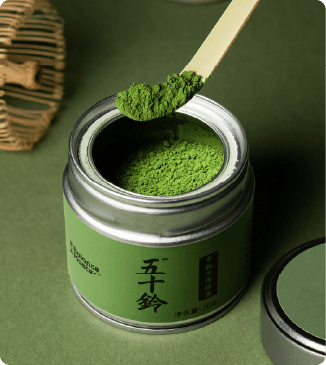
Balance Master shade-grown tea fields

The Basics of Matcha

What is matcha?

Matcha is a finely ground powder made from specially cultivated tea leaves, rooted in the Chinese whisked tea tradition. Unlike standard green tea powders, premium matcha undergoes approximately three to four weeks of shading prior to harvest. This process enriches amino acid content while suppressing the development of tannins, resulting in a naturally sweet, mellow flavor and a deep emerald color. When prepared, the powder is whisked directly into water or food, allowing the consumer to ingest the full nutritional profile of the entire leaf.

The Production Process

The production of matcha is meticulous,involving four core stages:

1. Shading

Prior to the spring harvest, the tea gardens are covered with shade nets for several weeks to block direct sunlight. This stimulates the accumulation of amino acids (such as L-theanine) and prevents their conversion into bitter catechins. Shading also boosts chlorophyll synthesis, producing a vibrant green hue and a unique shaded aroma reminiscent of fresh sea mist.

Shade netting over tea plants

2. Steaming

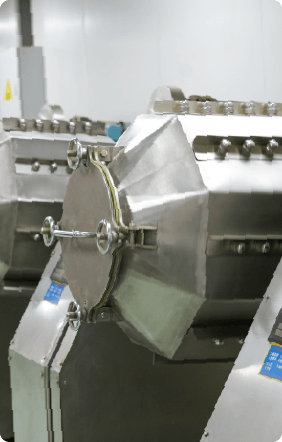
Freshly picked leaves are immediately subjected to steam fixation. High-temperature steam rapidly deactivates oxidative enzymes, locking in the leaf's color and nutrients. This brief process (approximately 20 seconds) preserves the green color and nutritional integrity before the leaves are dried to become Tencha.

Tea steaming equipment

3. Blending

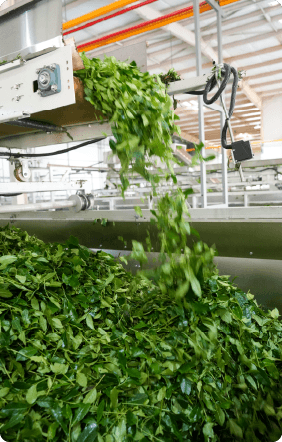
Before grinding, the Tencha leaves undergo a rigorous blending process. Experienced tea masters blend leaves from different plots and harvests to achieve a specific profile. This blending harmonizes flavor, aroma, and color, elevating the overall quality beyond the sum of its parts.

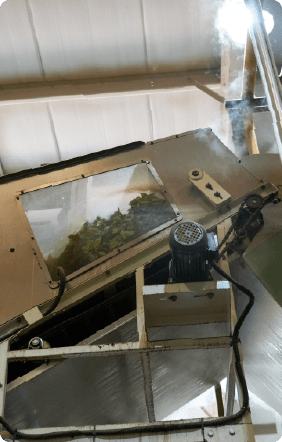
Tea leaves moving through blending equipment

4. Milling

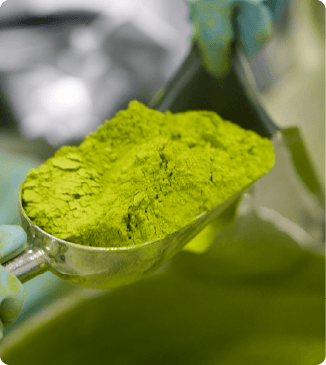
This is the final determinant of quality. Refined Tencha is slowly ground using traditional granite stone mills. The low temperatures of stone grinding prevent heat damage to the aroma. The resulting particles are typically between 5-10 microns. A single stone mill produces only 40-80 grams per hour, generating a distinct fragrance known as mill aroma.

Tea milling equipment

Storage & Usage Guidelines

Due to its microscopic particle size, matcha powder is highly hygroscopic and susceptible to absorbing ambient odors. Adhere to the following guidelines:

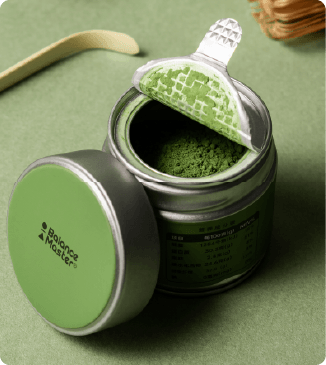
Protect from Light & Moisture: Matcha is highly sensitive to light and humidity, which cause fading and flavor degradation. Keep the package sealed until use.

Opened matcha tin

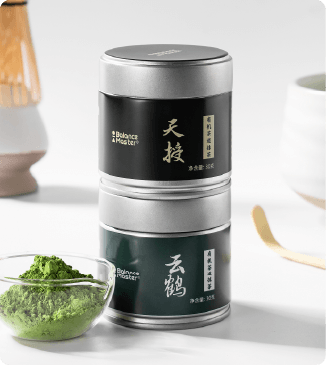
Store in Cool Conditions: Refrigeration is recommended to maintain freshness and aroma. In dry climates, it may be stored in a cool, dark cupboard away from direct sunlight.

Stacked matcha tins

Handle with Care: Seal the package immediately after use, pressing out excess air. Always use a dry spoon for scooping; avoid introducing moisture or handling the powder directly.

Scooping Isuzu matcha powder

Prevent Odor Transfer: Store away from items with strong odors, as matcha readily absorbs surrounding scents. Consume promptly after opening to enjoy its optimal flavor profile.

Close-up of matcha powder