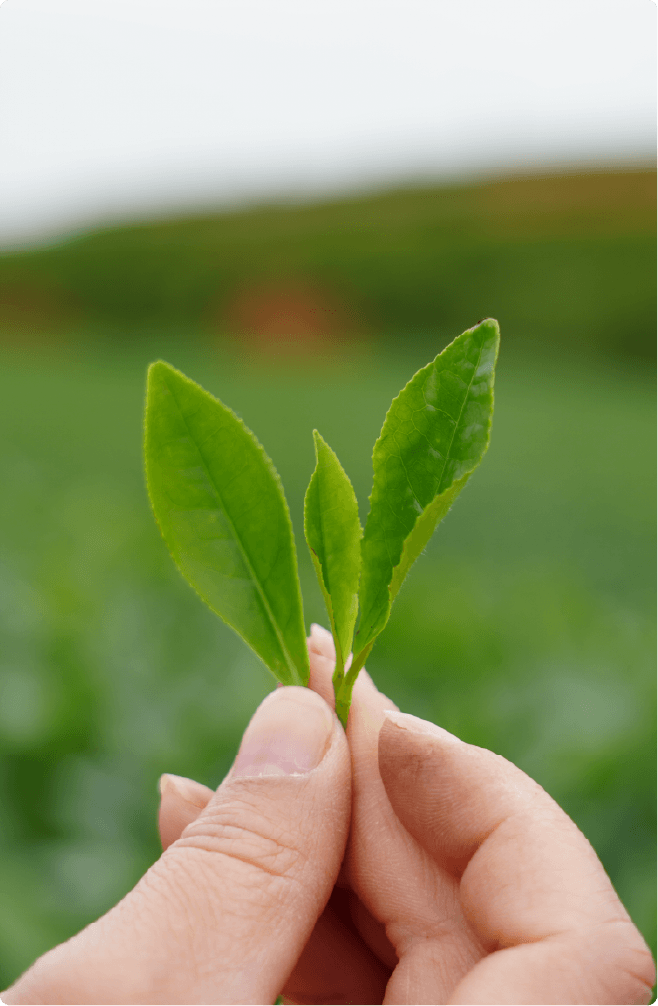
Many recognize matcha as a Japanese symbol, but its predecessor-powdered tea-first emerged in China. As early as the Sui and Tang Dynasties (581-907 CE), a relatively mature system of steaming and grinding tea into powder had already formed. The Classic of Tea (Cha Jing) documents powdered tea and the tools used to process it-the grinder, the sieve, the caddy-establishing a continuous thread within China's tea heritage.
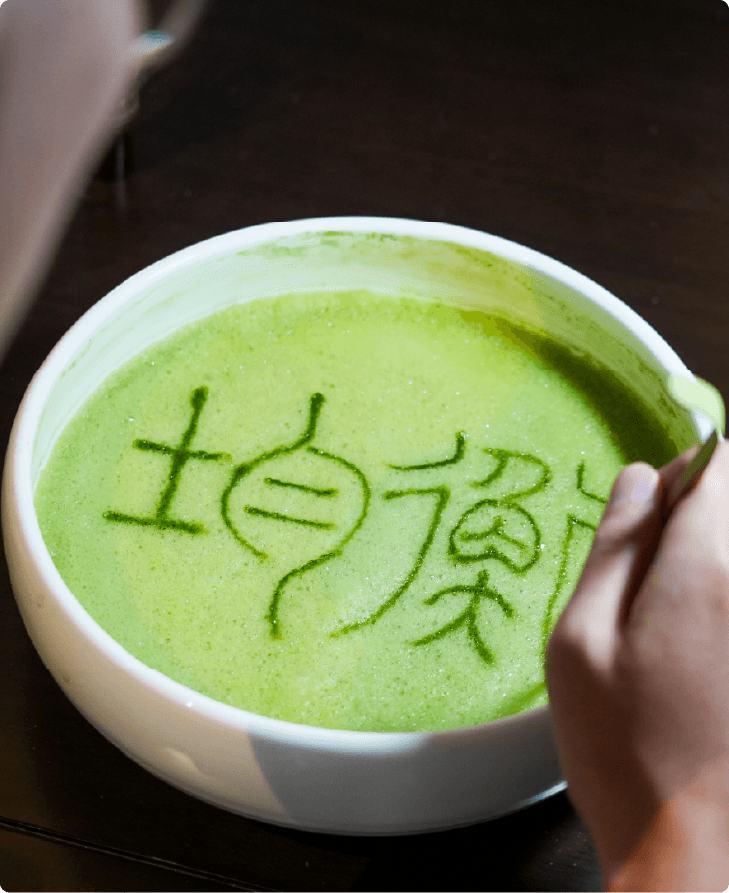
During the Song Dynasty (960-1279), powdered tea entered its true golden age. From hand-picking and steaming to pressing cakes, grinding, and sieving, the process culminated in whisking a thick, milky froth with a bamboo whisk. This gave rise to a complete aesthetic and judging standard for whisked tea: a white color, lasting foam, and strong adhesion to the bowl. Cultural expressions like competitive tea tasting (Dou Cha) and tea painting (Cha Bai Xi) flourished. Works like Cai Xiang's Tea Record (Cha Lu) and Emperor Huizong's Treatise on Tea (Da Guan Cha Lun) detailed the craft and appreciation of grind, sieve, and whisk.
However, due to its labor-intensive process and high cost, the Ming Dynasty (1368-1644) marked a turning point. The Hongwu Emperor abolished compressed tea cakes to curb extravagance, shifting preference to steeping loose leaves. Powdered tea gradually receded from daily life, surviving only within select monasteries, medicinal practices, and rituals. Meanwhile, the practice of whisked tea-carried by envoy missions and Zen monks-continued to deepen in Japan, evolving into the matcha culture known worldwide today.